

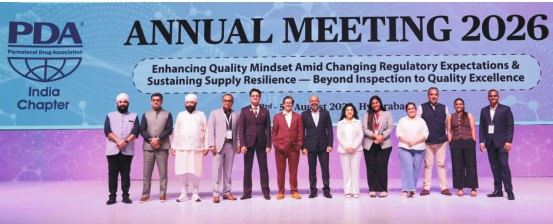
 The meeting covered a broad range of issues relevant to contemporary pharmaceutical and biopharma-ceutical manufacturing. Key discussions focused on inspection readiness, regulatory responses, data integrity, quality culture and risk-based decision-making, particularly in sterile manufacturing environ-ments.
The implementation of EU GMP Annex 1 was exam-ined alongside several critical aspects of contamina-tion control. These included environmental monitor-ing, media fills, isolators and Restricted Access Barrier Systems (RABS), as well as strategies for identifying and controlling contamination risks.
Other sessions addressed CAPA effectiveness, investigations, human error and recurring deviations, with emphasis on identifying root causes and developing sustainable corrective and preventive measures. Discussions also considered how organisa-tions can strengthen their quality systems and ensure that quality principles are consistently reflected in day-to-day operations.
 Regulatory developments and inspection expectations formed an important compo-nent of the meeting. Perspectives from leading regulatory bodies provided an understanding of the direction in which industry requirements are evolving and the implications for manufacturing organisations.
Inspection readiness was discussed not simply as preparation for an inspection, but as an ongoing aspect of maintaining robust systems and demonstrating effective control.
Sessions on regulatory responses explored the importance of accurate assessment, appropriate corrective actions and effective communica-tion when addressing regulatory observations.
Operational efficiency and resilience were also considered alongside compliance. The discussions highlighted the need to balance regulatory requirements with practical manufacturing realities and to develop systems capable of maintaining consistent performance under changing operational conditions.
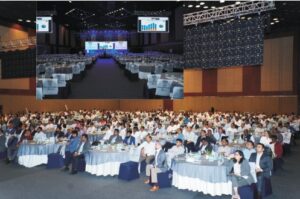 The meeting also provided a platform for profession-als to interact with peers, experts and decision-makers from across the industry. Discussions and networking sessions facilitated the exchange of experiences and perspectives on regulatory, technical and operational issues.
This interaction added value to the formal sessions by enabling professionals to compare approaches, discuss common challenges and gain perspectives from organisations operating in different areas of the pharmaceutical and biopharmaceutical sectors.