

G-R08P53QMSP Smart Manufacturing - Pharma Machines & Technology

Pharma Machines & Technology

interpack 2026 - Hot Topics

Smart Manufacturing

Future of Intelligent Packaging Systems

AI Meets Experience: Intelligent manufacturing reimagined

AI-supported, integrated systems optimise processes, minimise waste and reduce energy consumption. Robotics and automation increase precision and efficiency, while intelligent control maximises resource efficiency.

At the same time, value from data creates new competitive advantages. Smart manufacturing means smarter, more sustainable and more economical production.

The packaging industry is undergoing radical change: traditional production processes are increasingly being replaced by automated, networked and intelligent systems. Smart manufacturing is no longer a vision, but a real driver of innovation for more efficient, sustainable and flexible packaging solutions.

Intelligent manufacturing – also known as the ‘smart factory’ – combines state-of-the-art technologies, sensor technology, big data, machine learning and artificial intelligence to dynamically control processes and respond immediately to external and internal changes. For the packaging industry, this means more efficient processes, less resource consumption and better quality – in real time.
Smart Factory: Networked machines, optimised processes

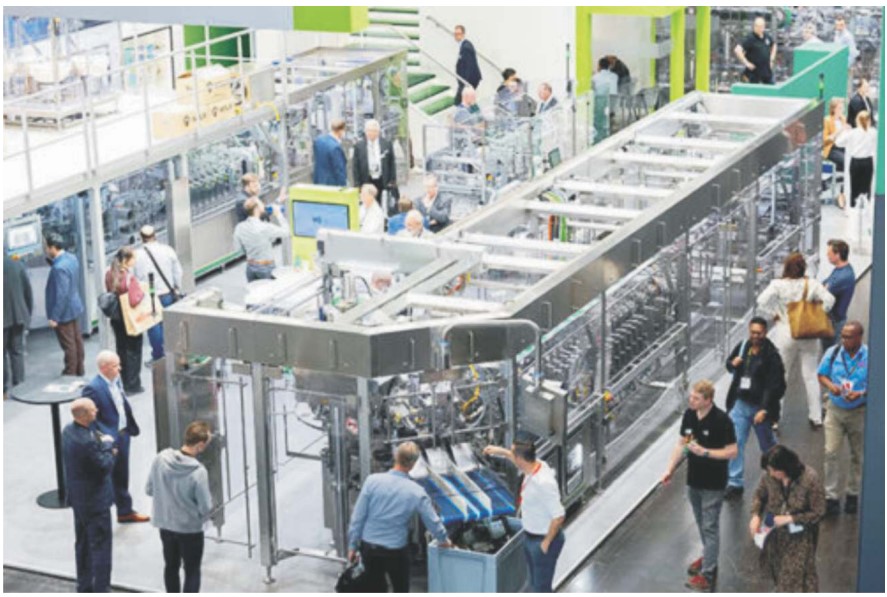
A smart factory is based on the idea that machines, equipment and systems no longer work in isolation, but are networked with each other. This intelligent communication forms the backbone for automated processes – from packaging design to final distribution.

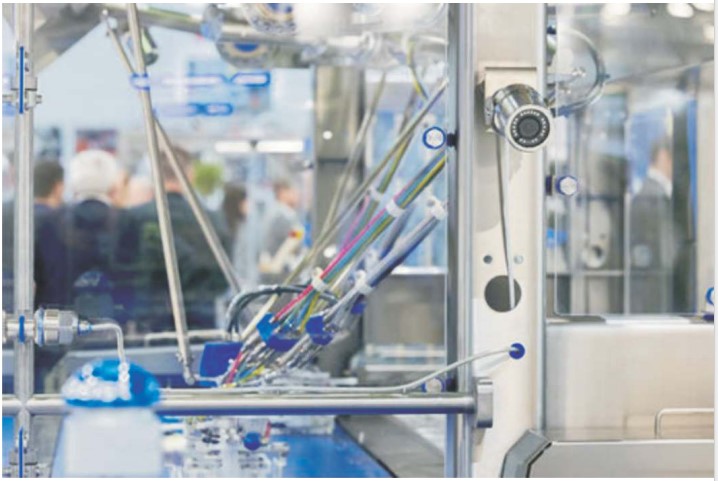
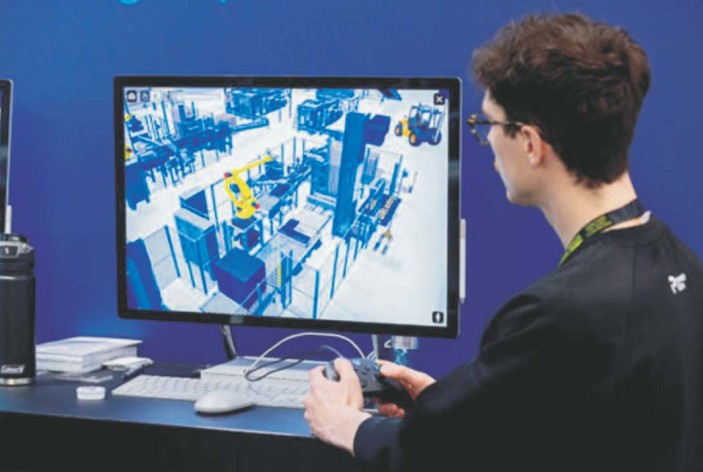
A good example is the packaging process: networked sensors enable the line to automatically adjust speed, temperature or pressure depending on the products being packaged. This flexibility is particularly important in industries with changing requirements, such as the pharmaceutical, food or cosmetics industries.

AI-supported packaging systems: More than just automation

A key element of modern intelligent manufacturing is the use of AI-supported packaging systems. They learn from data, recognise patterns and make decisions – all in milliseconds. This enables unprecedented efficiency and productivity.

Whether in fault detection, quality assurance or predictive maintenance of machines, artificial intelligence takes on tasks that used to be manual and time-consuming. At the same time, it increases operational reliability and reduces downtime.

Sustainability and smart packaging

Sustainability is a driver for innovation in the industry. Smart manufacturing enables optimal use of raw materials, easier recycling of packaging and more resource-efficient production processes. Combined with the development of smart packaging, which includes features such as freshness indicators or QR codes for traceability, this opens up new opportunities for transparency and consumer safety.

Smart packaging is thus becoming an integral part of the supply chain – a tool for reducing food waste, improving product safety and strengthening customer loyalty.

Automation as the key to success

Automation is one of the cornerstones of smart manufacturing. Modern packaging machines operate autonomously, detect errors independently and adapt their processes accordingly. This results in flexible manufacturing processes that can quickly adapt to new product lines, materials or legal requirements.

The advantage: more efficient use of resources, less waste and the ability to produce even small batch sizes economically – a decisive factor in times of growing individualisation and shorter product life cycles.
Challenges and solutions

However, the transition to smart manufacturing also brings challenges. These include high investment costs, a lack of standards in data communication and a shortage of skilled workers in the field of intelligent technologies. At the same time, data security and the integration of existing systems are important issues.

With its hot topic ‘Smart Manufacturing’, interpack offers a platform where manufacturers, developers and users can discuss solutions, share best practices and enter into new partnerships.

From vision to reality: practical examples

Numerous companies are already demonstrating how the vision of smart manufacturing is becoming reality. There are impressive examples in the packaging industry:

  • A manufacturer of food films uses AI to optimise material thicknesses in real time – thereby reducing material consumption.
  • A pharmaceutical company has installed an automated line that can adapt to new drugs within minutes.
  • A smart factory in the cosmetics industry uses networked systems to control supply chains – including warehousing and scheduling.

These examples show that smart manufacturing is not a pipe dream, but a decisive competitive advantage.

The role of data and intelligence

At the heart of smart manufacturing is the ability to generate, interpret and act on data. Intelligence, whether through algorithms, AI or machine learning, is the key to utilising this data.

This is not just about increasing efficiency, but also about strategic decisions: When is it worth retooling? What trends are emerging? What packaging solutions will be required in the future?

This is where interpack comes in, with presentations, discussion forums and live demonstrations that provide answers to these questions.

Benefits for businesses

Those who invest in smart manufacturing today will benefit in the long term from:
  • Higher efficiency and productivity
  • Faster market launches
  • Reduced downtime
  • Lower environmental impact
  • Greater customer satisfaction through more customised products

In addition, smart manufacturing enables more precise planning, improved maintenance and more reliable delivery capabilities – all aspects that make a difference in the globalised economy.

Innovative materials for packaging

FUNCTIONALITY MEETS SUSTAINABILITY

New material technologies are shaping the packaging of tomorrow: sophisticated plastics, fibre-based materials and intelligent coatings optimise durability and protection.

Bio-based solutions and design for recycling with mono-materials enable optimised recycling, while innovative material concepts reduce material usage and open up new functions.

The packaging industry is undergoing a revolution. Never before have the demands for sustainability, functionality and resource conservation been so high. At the heart of this development are innovative materials for packaging that are both environmentally friendly and high-performance. New material technologies enable solutions that go far beyond traditional packaging concepts – they are shaping the future of the industry and driving the transformation to sustainable, recyclable systems.

Fibre-based materials – the natural alternative

Fibre-based materials such as paper and cardboard are making a strong comeback. Once used as simple packaging materials, they now offer advanced properties: they can be coated, laminated or functionalised to repel moisture or provide protection against external influences, for example. These developments make them true next-generation packaging solutions – and a cornerstone of sustainable packaging.

Fibre-based materials score particularly highly due to their origin from renewable raw materials and their high recyclability. Modern processes now also enable the production of paper-based high-barrier packaging that can compete with plastic.
Environmentally friendly packaging solutions: innovation with responsibility

The search for environmentally friendly yet functional packaging has led to a whole range of innovations. Bio-based polymers, degradable packaging and recyclable multilayer structures are just a few examples. The focus here is not only on reducing environmental impact, but also on meeting complex requirements in terms of shelf life, product protection and brand communication.

Many of these innovative material technologies are already market-ready and are being used in sectors such as the food and cosmetics industries. The combination of technical performance and environmental compatibility makes them real game  changers.

Recycling and circular economy – key pillars of modern packaging strategies

A sustainable packaging system cannot do without a well-thought-out recycling concept. In the circular economy, materials should remain in the economic cycle for as long as possible. This is where packaging materials that can be sorted by type and easily recycled come into play.

It is no longer just traditional glass or waste paper that is recycled – even complex plastic compounds can now be processed efficiently. This requires a design that takes recycling into account from the outset: Design for Recycling is the name of the approach that considers manufacturing, use and recycling as a single entity.

The role of alternative raw materials

One significant trend is alternative raw materials – such as those based on algae, fungal mycelium or cellulose waste. These offer new opportunities for the development of functional packaging materials that are both biodegradable and economically scalable. What is particularly exciting is that many of these alternative materials are completely biodegradable and require significantly less energy to produce than conventional plastics.

Their applications range from flexible films and rigid packaging to innovative coatings. The diversity of these materials shows how broad the field of innovative materials for packaging is today – and how much untapped potential there still is.

Challenges in material development

Innovations also bring new challenges. These include the scalability of pilot projects and the integration of new materials into existing production processes. Regulatory issues, food safety and consumer acceptance also play a role.

To meet these challenges, close cooperation along the value chain is necessary – from raw material suppliers to the packaging industry to end users. Technologies that enable data-driven material design play a key role here.

Intelligent properties for modern packaging solutions

Innovative materials not only offer ecological advantages, but also new functions: for example, temperature indicators, barrier properties or anti-counterfeiting protection. These properties significantly expand the possibilities of packaging solutions.

Materials that react to environmental conditions or decompose in a targeted manner enable a new generation of ‘smart’ packaging. In combination with digital technologies such as RFID or NFC, they become active components of modern logistics and consumer experiences.

From idea to product – material development processes

The development of new packaging materials is an interdisciplinary process. Research, materials science, mechanical engineering and design work closely together. This is the only way to develop materials that are functionally, ecologically and economically convincing.

Computer-aided processes and simulations are playing an increasingly important role in this context. Material behaviour can be modelled and optimised in advance, which shortens development cycles and saves resources. This digitalisation is a driver of innovation in the packaging industry.