


By Amit Malviya
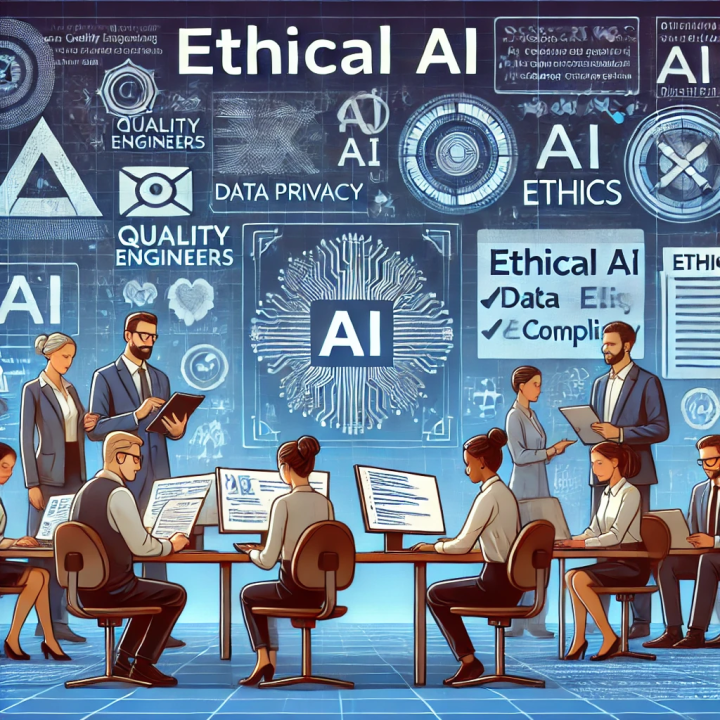
In the high-stakes race to integrate Artificial Intelligence, we’ve been fed a dangerous narrative: that speed requires us to sacrifice oversight. Quality managers today face relentless pressure to deploy AI-driven processes for predictive accuracy and real-time monitoring. But in our rush to automate, we are standing at a crossroads. We are often tempted to adopt “black box” systems – models that spit out results without a shred of transparent reasoning. Traditional Quality Assurance (QA) was built on systematic standards and specified requirements; ignoring these in the AI era doesn’t just “break things” – it creates systemic, unidentifiable risks that can dismantle brand integrity overnight. The truth is, the efficiency AI promises is a hollow victory if it isn’t anchored in an ethical framework.
We’ve been told a lie: that regulation is the enemy of innovation. In reality, viewing compliance as a “handbrake” is a fundamental misunderstanding of technical strategy. Think of compliance as the guardrails on a high-speed racetrack; they don’t exist to make the car go slower – they are the only reason the driver has the confidence to push the engine to its absolute limit.
Understanding the compliance landscape provides a structured roadmap that allows you to navigate technical complexities without the constant fear of a “reputation fire” or costly rework. “Ultimately, compliance is not a hindrance but a catalyst for responsible innovation in the realm of AI-driven quality assurance.”
The days of blind faith in algorithmic outputs are over. Stakeholders and customers are no longer satisfied with “because the AI said so.” We are entering the era of Explainable AI (XAI). As a quality engineer, your role is to ensure that AI does not operate in a dark room. You must advocate for models that provide insight into their own decision-making logic. When we demystify these systems, we replace blind faith with “vital trust.”
AI brings a “superhuman” capability to the table, identifying subtle patterns and anomalies in vast datasets that would take a human inspector years to find. This proactive stance – catching defects before they even manifest – is the dream of predictive quality modeling. However, this power is a double-edged sword. AI lacks the nuanced moral compass of a human, making it susceptible to technical risks that can undermine the entire quality lifecycle.
Actionable Insights for Risk Mitigation
Mitigate Algorithmic Bias: Scrutinize training data to ensure it is representative and free from historical skews that lead to unfair treatment.
Ensure Data Quality: Implement robust data governance and “cleansing” processes to eliminate inaccuracies that lead to non-compliant outputs.
Fortify System Vulnerabilities: Conduct regular security audits and decision-log monitoring to protect AI systems against cyber threats and tampering.
In the context of ethical QA, we must redefine our terminology: a biased algorithm is not just a social concern; it is a physical product defect. If an AI system performs inequitably across different populations, it has failed its quality requirements just as surely as a cracked component on an assembly line.
Engineers must be the first line of defence, scrutinizing training data for the imbalances that lead to skewed, discriminatory results.”Quality engineers must be vigilant in assessing the data used to train AI models, as biased data can lead to skewed outcomes that may affect product quality and customer satisfaction.”
AI technology naturally transcends borders, but the law does not. Your “technical stack” now includes a seat at the legal table. Navigating global standards like Europe’s GDPR – with its strict mandates on data minimization and purpose limitation – is no longer just for the legal department; it’s a design constraint for the quality engineer. Furthermore, industry-specific nuances add layers of complexity:
Healthcare: Compliance with HIPAA and FDA guidelines is mandatory to protect patient confidentiality.
Finance: AI used for fraud detection must operate within strict data privacy and ethical boundaries to maintain client trust.
Quality assurance is no longer a “one-and-done” checkbox at the end of the line. We must treat ethical QA as a cycle of “continuous improvement.” Because AI systems learn and evolve, and because system vulnerabilities are dynamic, your evaluation must be constant. A model that was compliant yesterday may develop “drift” or vulnerability today.

Reflective Analysis: Organizations must move beyond a technical toolkit and cultivate a “culture of ethical awareness.” This means regular audits and updates are not interruptions to the workflow – they are the workflow.
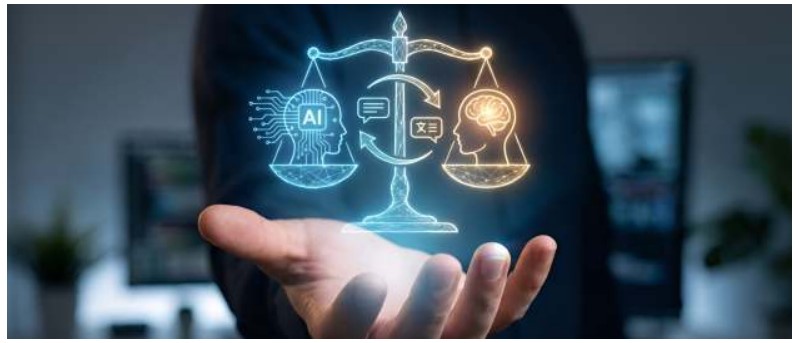
The future of quality assurance doesn’t belong to the fastest or the most automated; it belongs to the most balanced. The organizations that thrive will be those that realize innovation and responsibility are two sides of the same coin. By treating ethics and compliance as essential components of product quality, we don’t just protect our companies – we build better technology.
ABOUT THE AUTHOR
Amit Malviya is Vice President – Quality Assurance at Zest Pharma, and leading the role as a Technical Adviser in the Artificial Intelligence (AI) powered quality compliance software division at Emorphis Technologies. He has over two decades of experience in the pharmaceutical industry, specializing in manufacturing, quality process improvement, and regulatory affairs. Amit is privileged to lead the quality team, and his thrust for research provides him the opportunity to lead F&D as well.
His tenure at Cipla Ltd. (Mumbai), Oman Pharmaceutical (Oman), and Intrinseque Healthcare Pte Ltd (Singapore) laid the foundation for his expertise in ensuring product quality and adherence to regulatory standards. His key skills, among others, include: working/regulatory knowledge of USFDA, MHRA, EU, TGA, MCC, ANVISA, PPB, NAFDAC, EN ISO 13485:2016, WHO regulatory and cGMP requirements. He is actively involved in development of AI powered applications which are useful to handle the quality compliances in pharma manufacturing division.